






















From Shenzhen to economies across the Asia-Pacific — how Unilumin’s LED technology guides people, carries information, shapes city image and elevates public experience
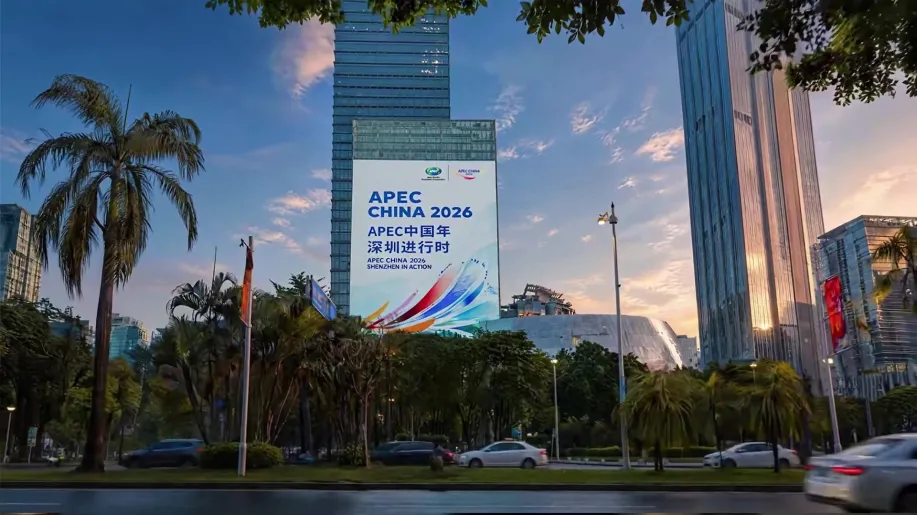
On 18–19 November 2026, the 33rd APEC Economic Leaders’ Meeting will convene in Shenzhen — the third time China has hosted APEC, following 2001 and 2014.
APEC brings together 21 member economies, home to nearly three billion people and roughly USD 60 trillion in combined GDP — close to 60 percent of the global total. When so much of the world turns its attention to one city, what is tested first is rarely the meeting room. It is how people move, how information reaches them, and what image of the city they carry home.
That story unfolds in airports, rail stations, shopping districts and stadiums. Over the years, Unilumin’s LED display solutions have been steadily built into these everyday places: as infrastructure that guides passenger flow, as public interfaces that connect a city with the people in it, and as the technical backbone that lets a national celebration be seen by hundreds of millions.
Shenzhen: A City Preparing to Welcome the APEC
How does a city welcome the world? Usually, it starts at an airport.
Terminal 3 of Shenzhen Bao’an International Airport has been recognised by Prix Versailles as one of the world’s most beautiful airports. From the 36-metre skybridge to the satellite concourse and baggage reclaim, Unilumin displays now light almost every key node of the terminal — more than 1,600 sqm in total.
Kerbside · Getting the traffic moving first The screens start working before anyone steps out of a car. Outside the terminal, intelligent displays connect to live traffic data, guiding drivers into the right lanes ahead of time and keeping a limited number of drop-off bays turning over.
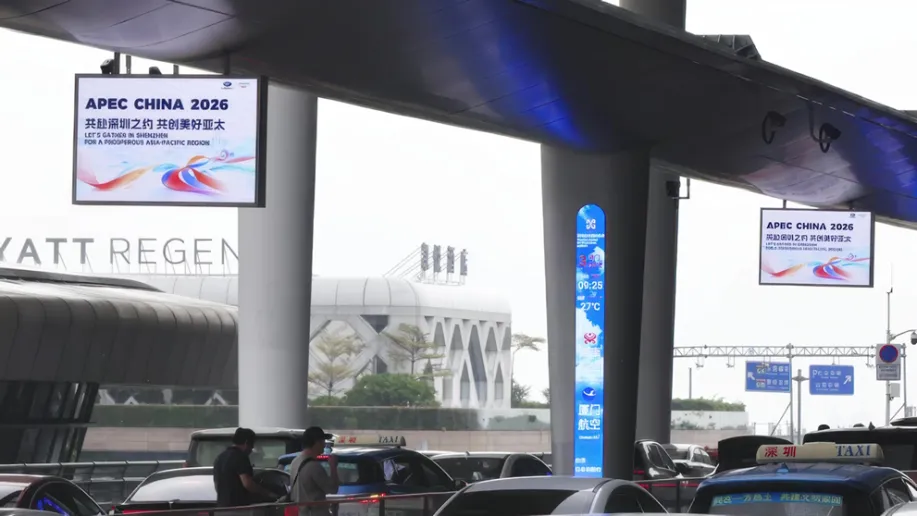
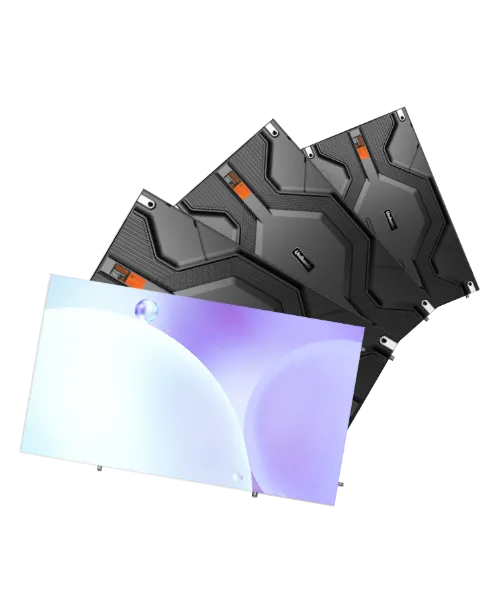
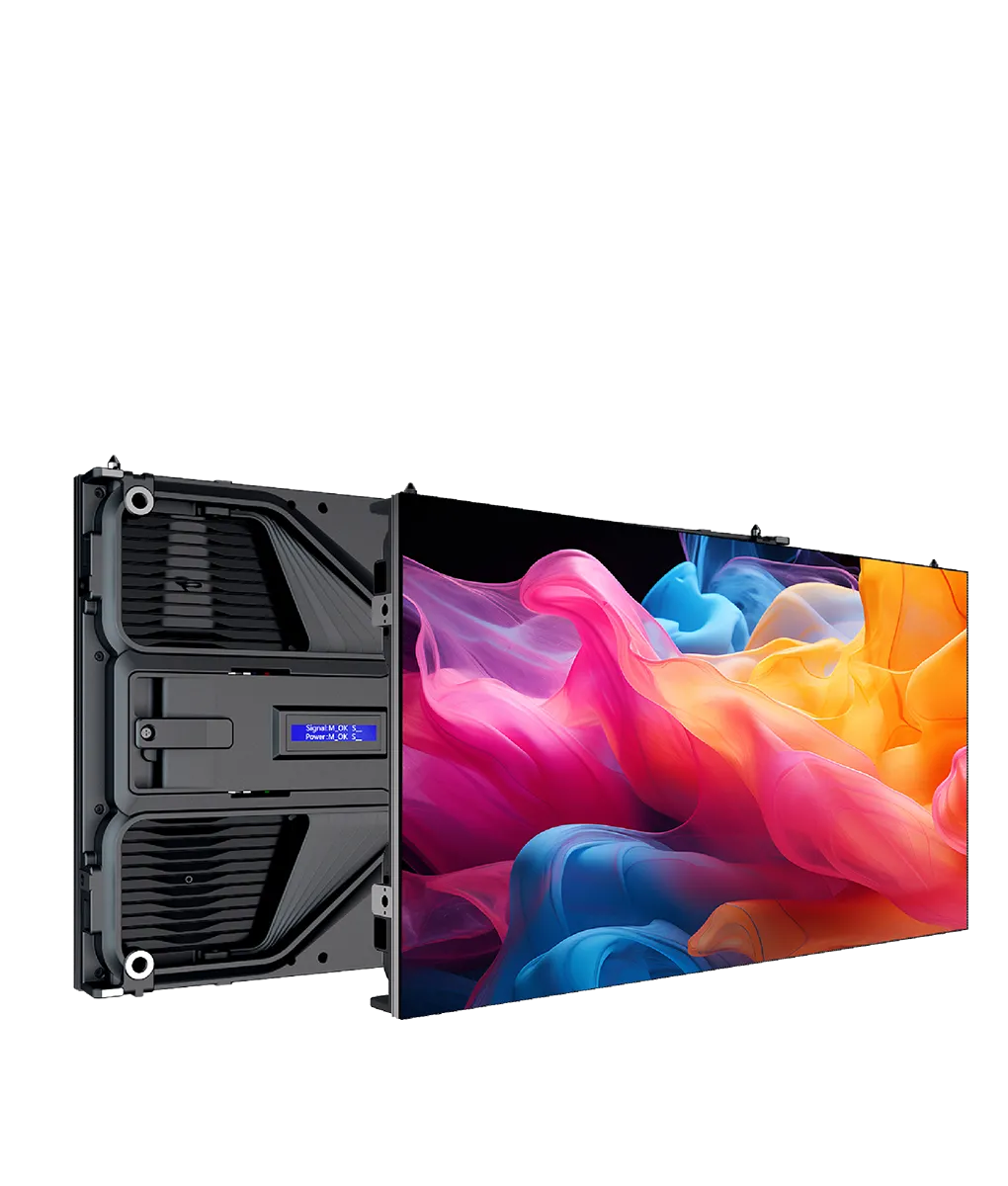
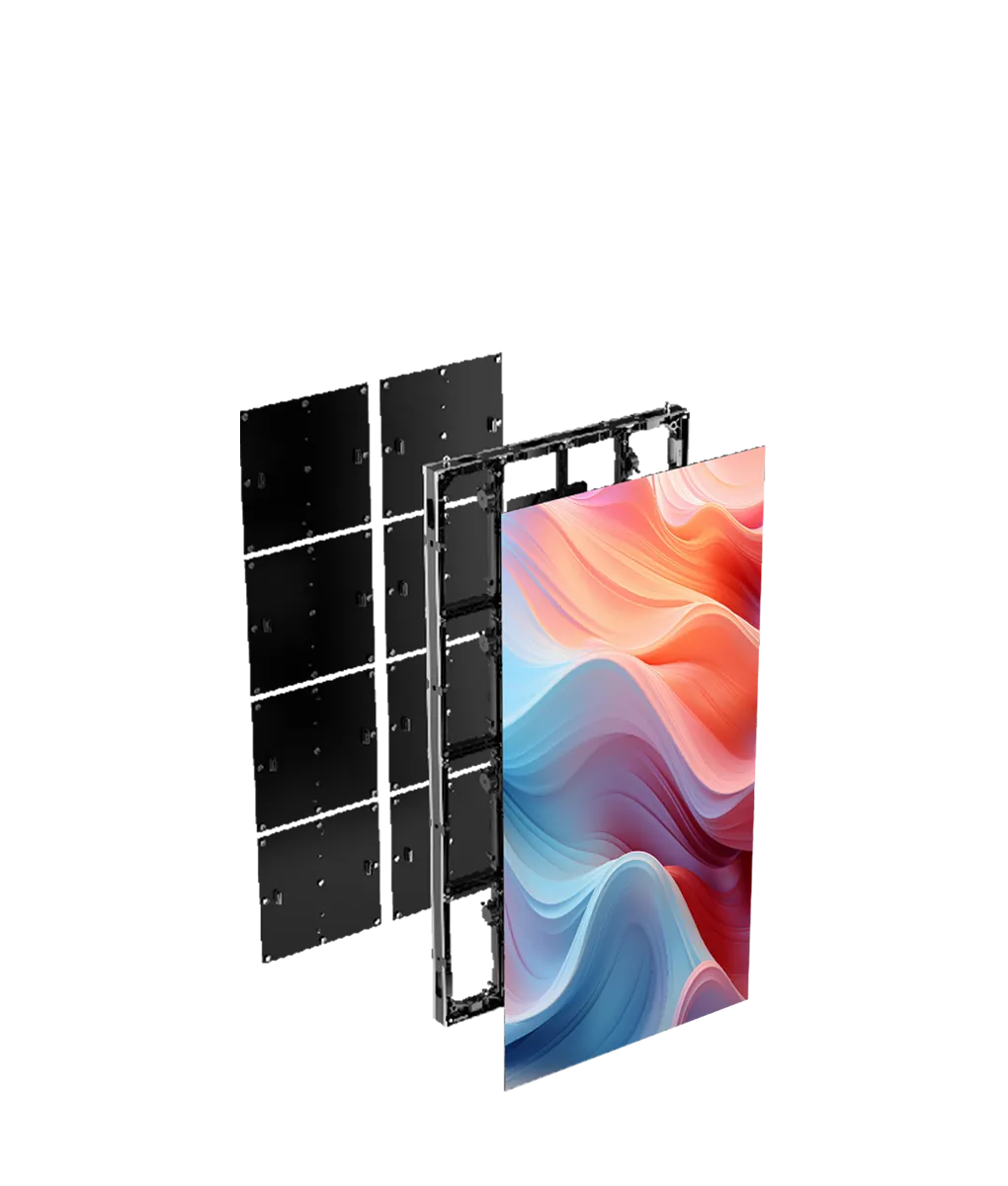
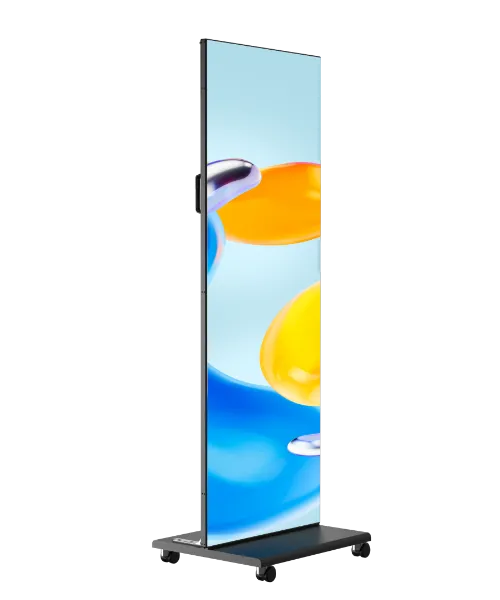
Check-in hall · Information that comes to the passenger Above the check-in counters, 128 square metres of Uslim S2 dual-side screens occupy the terminal’s most sought-after advertising position: just 48.2 mm thick and 23 kg per square metre, yet capable of showing different pixel pitches, different brightness levels and different content on each face.
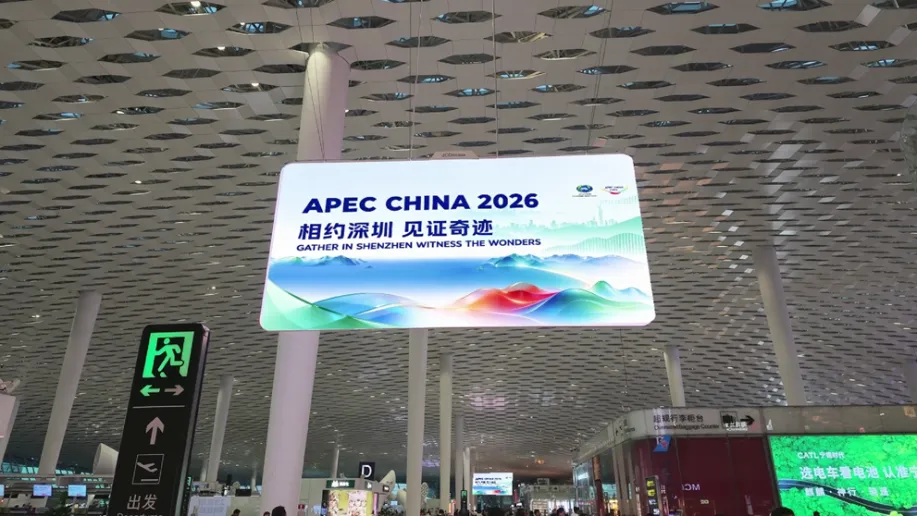
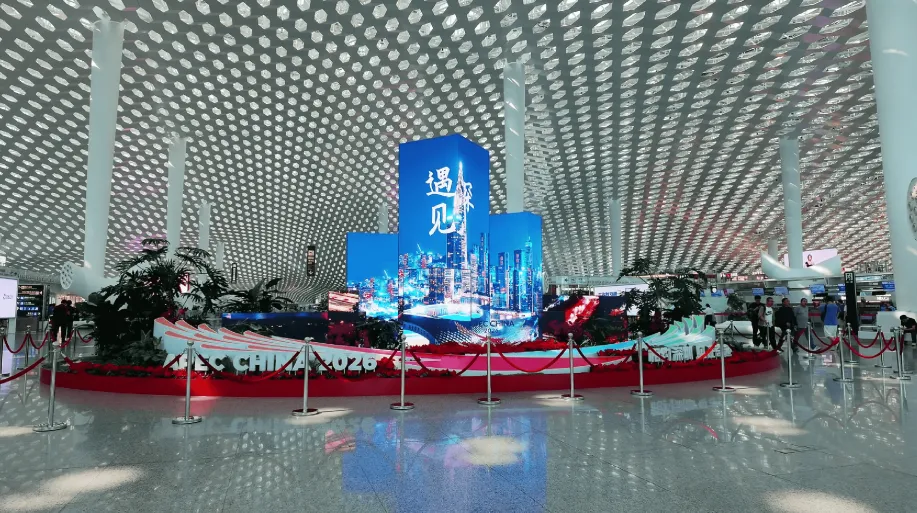
Departure hall · Turning waiting into dwelling A 50 square metre bespoke TB 2.5 installation turns a purely functional space into somewhere worth pausing. For a traveller about to leave or just arrived, it is both an aesthetic gesture and the first calling card the city hands over.
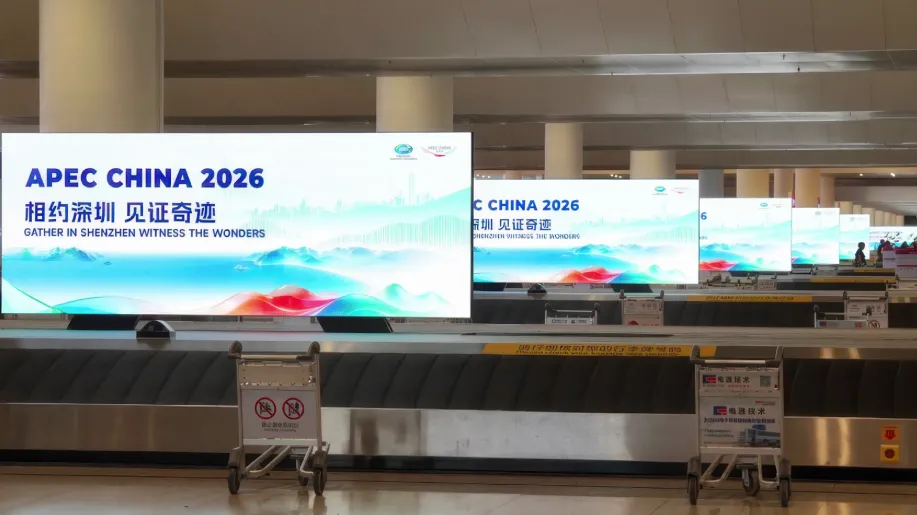
Baggage reclaim · Defusing the most anxious few minutes 300 square metres of UTW III 2 stand over the carousels, matching carousel numbers to arriving flights. The most unsettling minutes of the arrivals process become predictable.
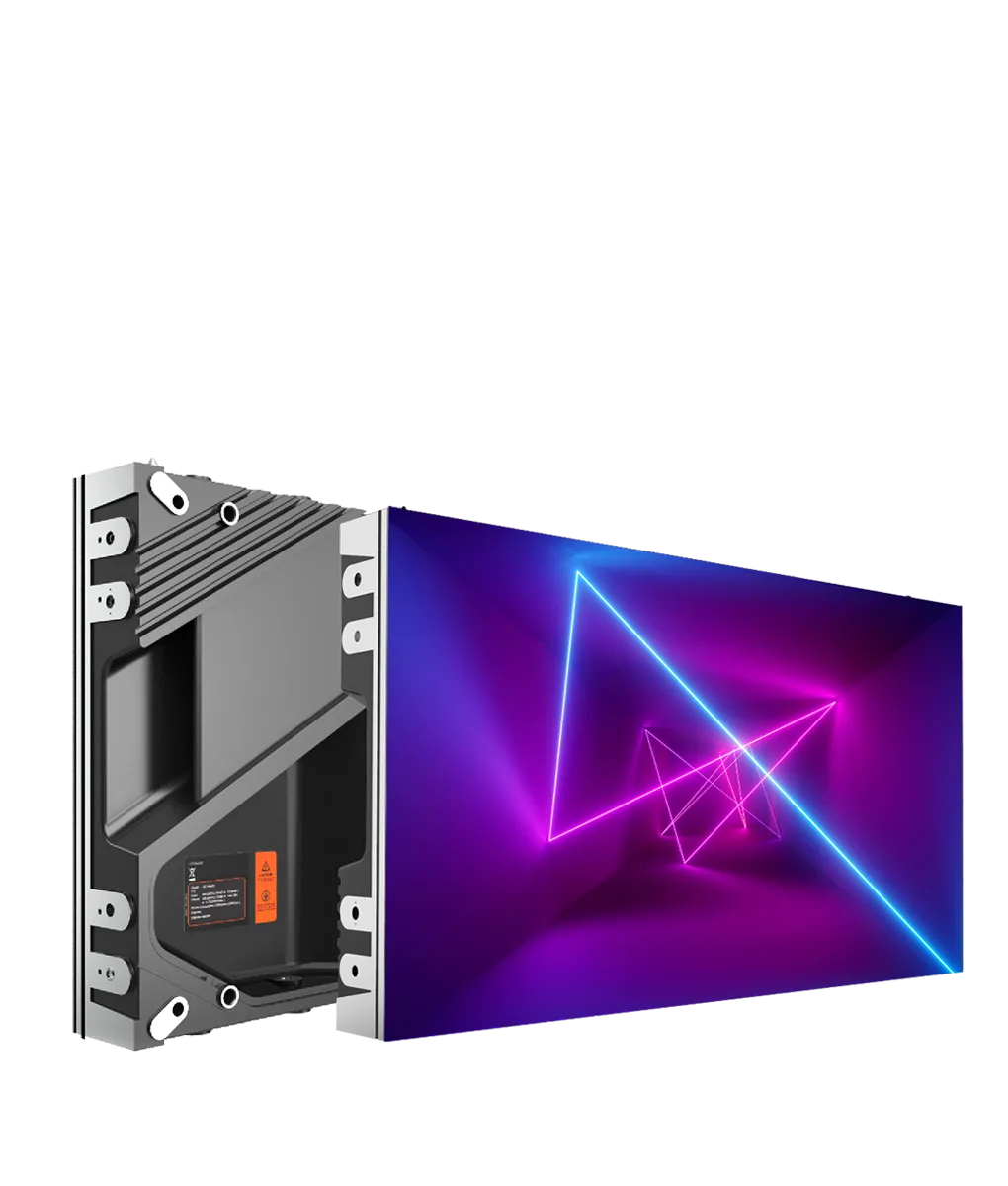
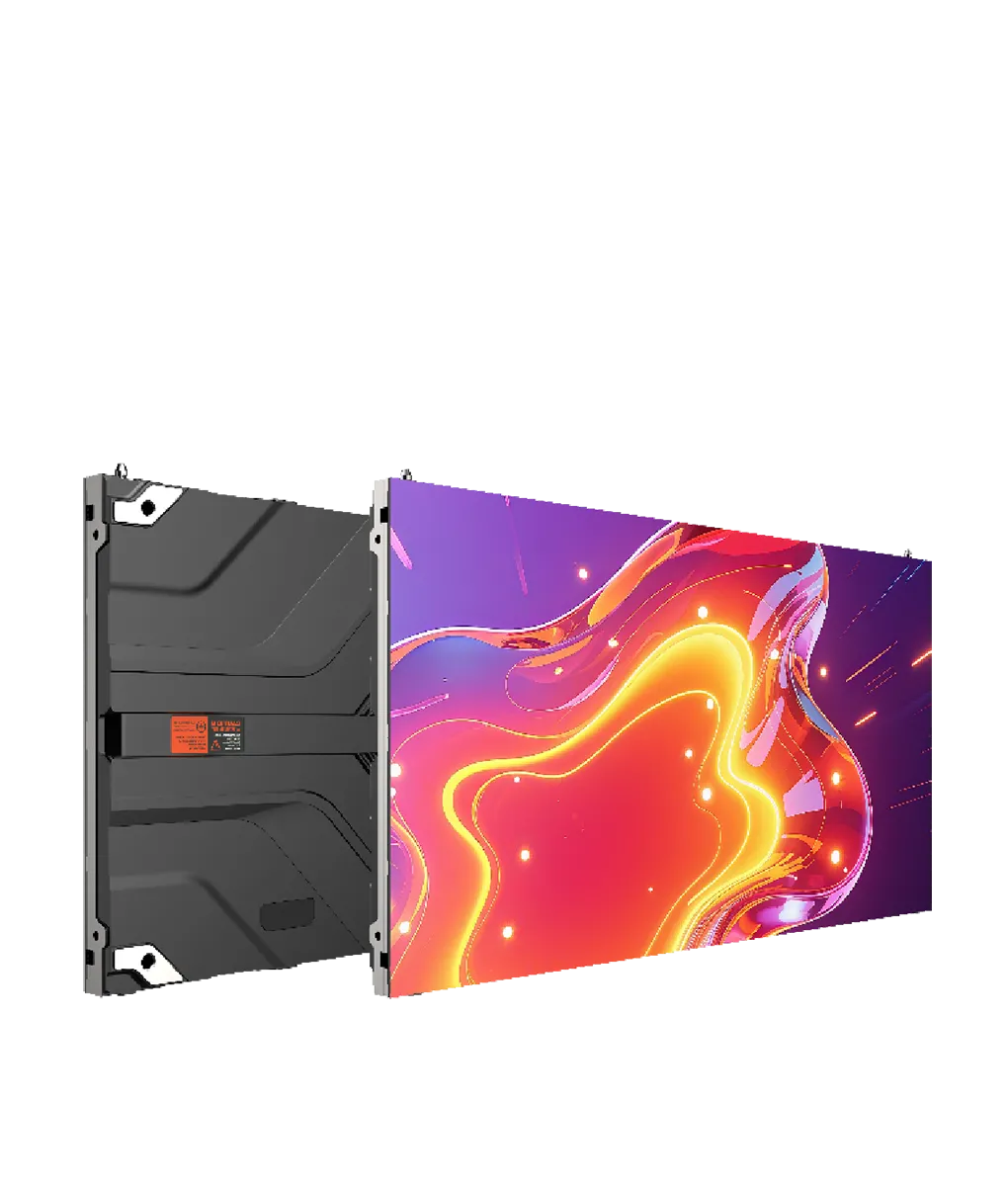
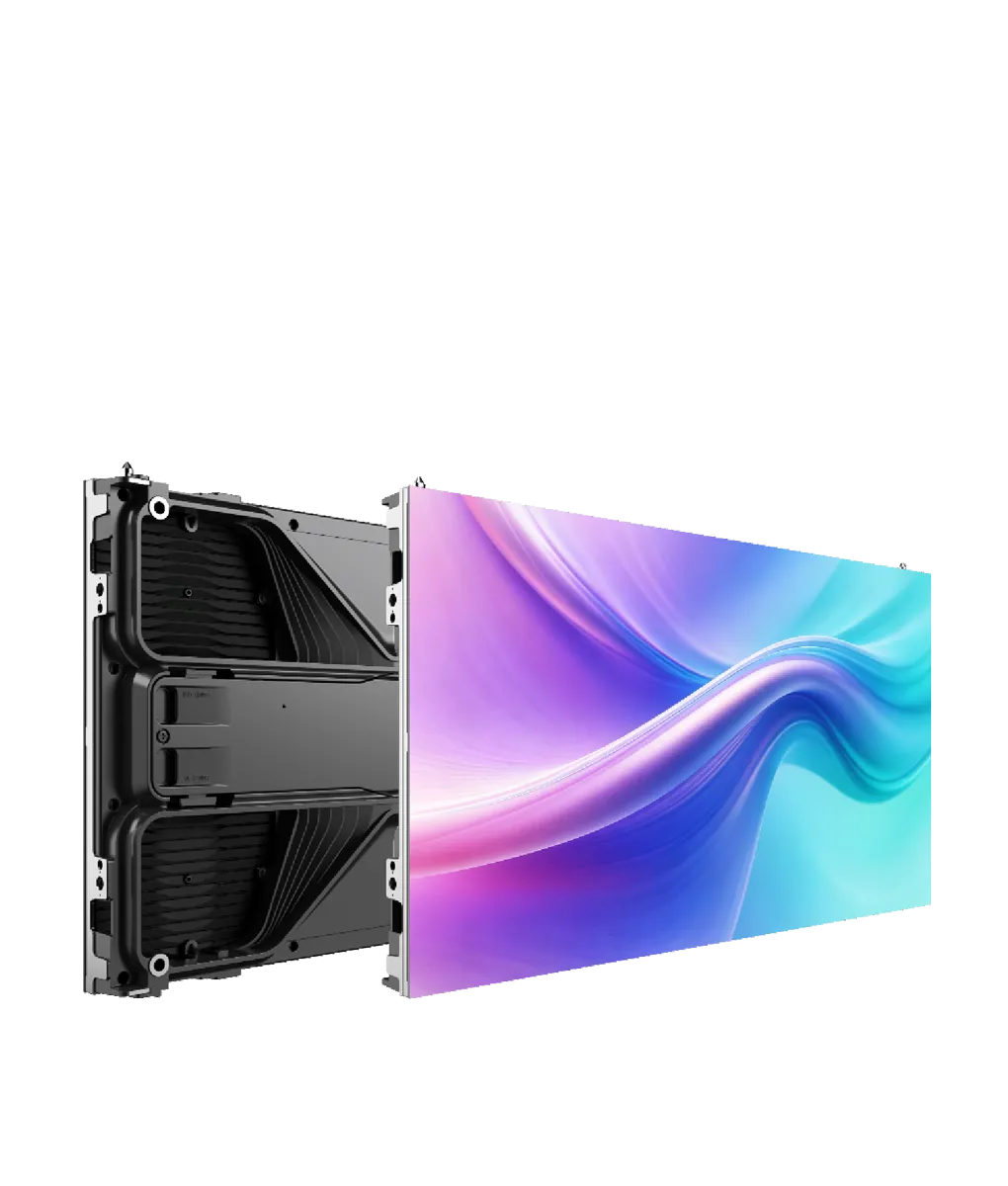
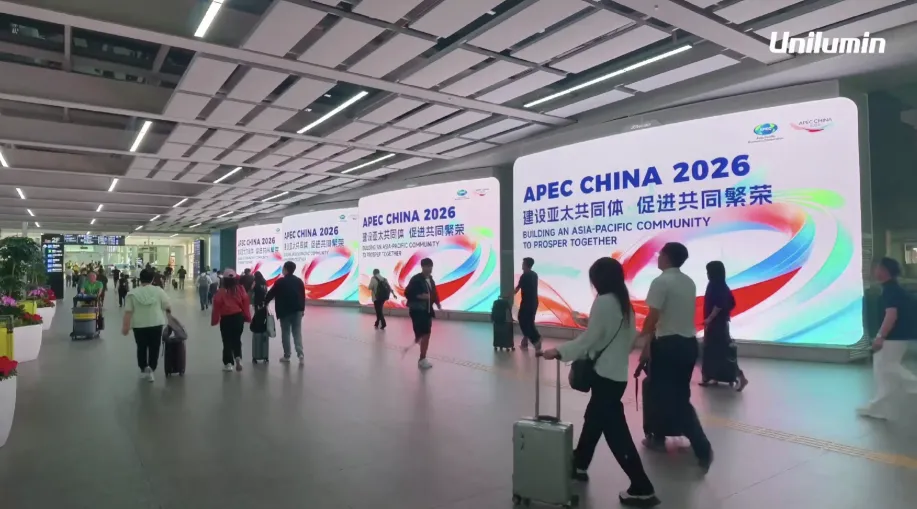
Corridor to the ground transport centre · The city’s welcome The stretch from arrivals to the ground transport centre is the most recently completed: 224 square metres of Uslim III 1.9 MIP accompany passengers through their final transfer with crisp, high-definition imagery.
From drop-off to departure, the screens are doing one thing throughout: putting information in front of the right person at the right moment, while giving the city a calmer, more dignified first impression.
APEC turns the world’s attention to Shenzhen. Yet a city is rarely first seen in a meeting room. Beyond the airport, Unilumin’s LED displays are already woven into Shenzhen’s landmarks, handing the city’s vitality and international image to whoever passes by, frame by frame.
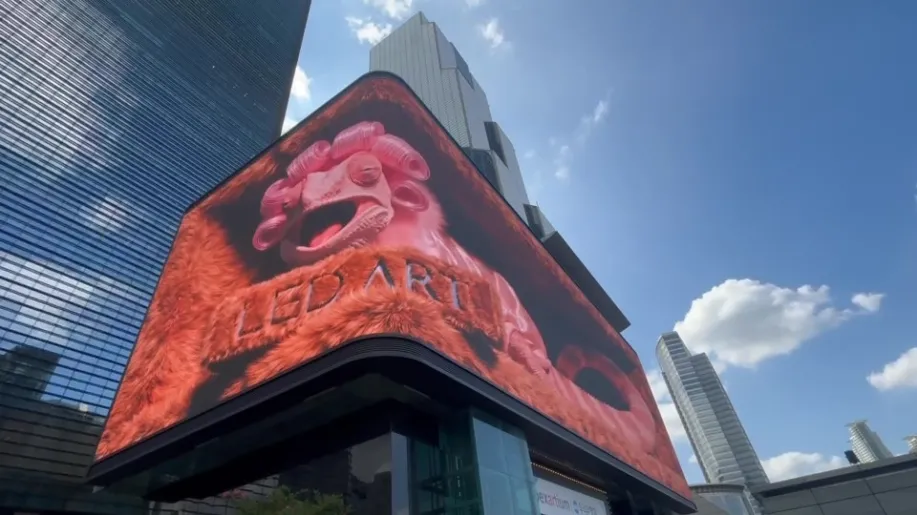
Bay Window – Asia’s largest outdoor 4K LED display, is built upon Unilumin’s 4,500 sqm LED giant screen. It overlooks Futian CBD, Shenzhen’s most bustling business district. Well before the APEC event, it has been serving as a medium for showcasing traditional culture, releasing current-affairs promotions and public welfare announcements. It stands not only as a preferred launch platform for global brands within the Guangdong-Hong Kong-Macao Greater Bay Area, but also a window for Shenzhen to engage with the world.
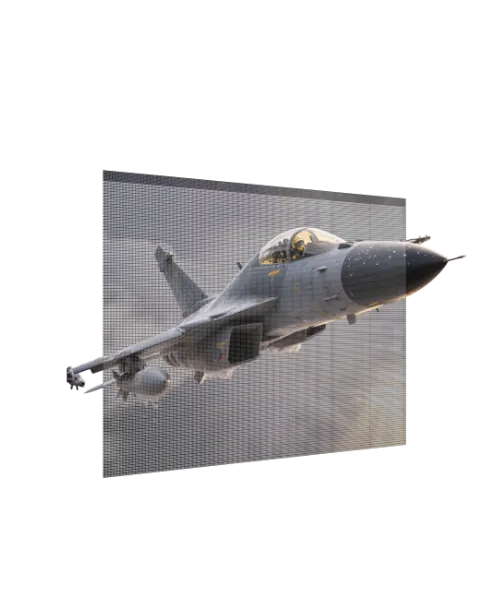
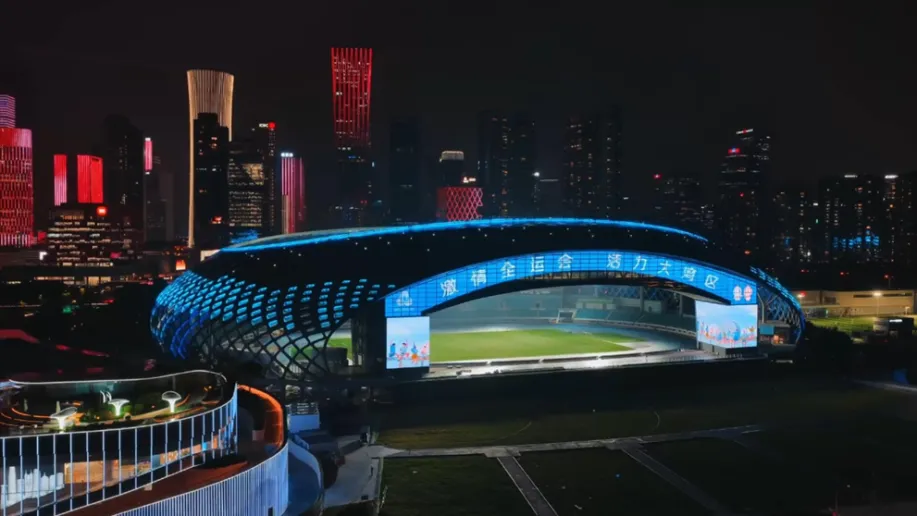
If Bay Window faces a moving city, Spring Cocoon faces a gathering crowd. The stadium on the Shenzhen Bay waterfront carries a 2,500 square metre Udesign SV installation — currently the largest holographic screen project in the world. As one of the core venues of last year’s National Games, Spring Cocoon was already a Shenzhen landmark. As night falls, immersive animations appear to float in space, blending seamlessly with the venue architecture and endowing the city with a strong sense of technology.
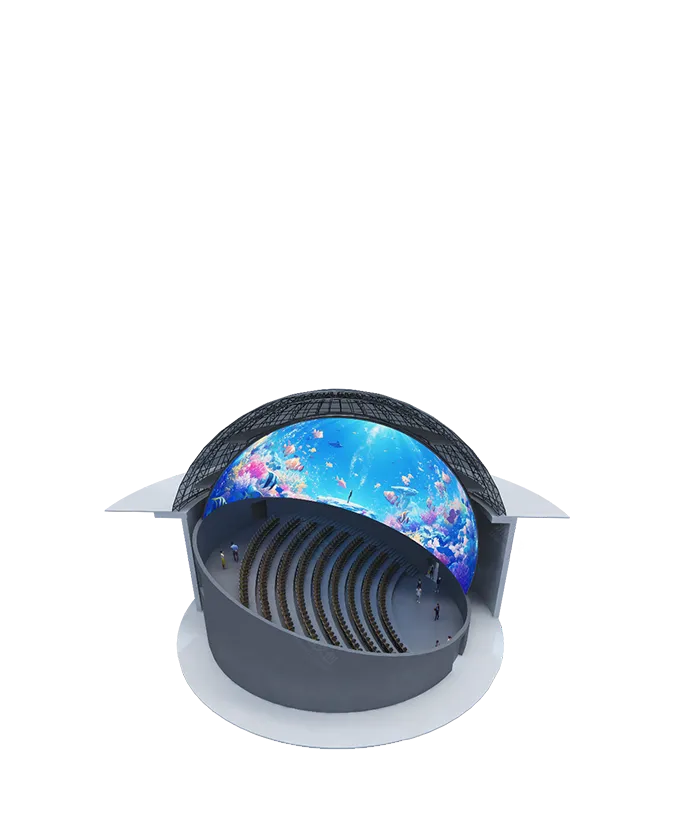
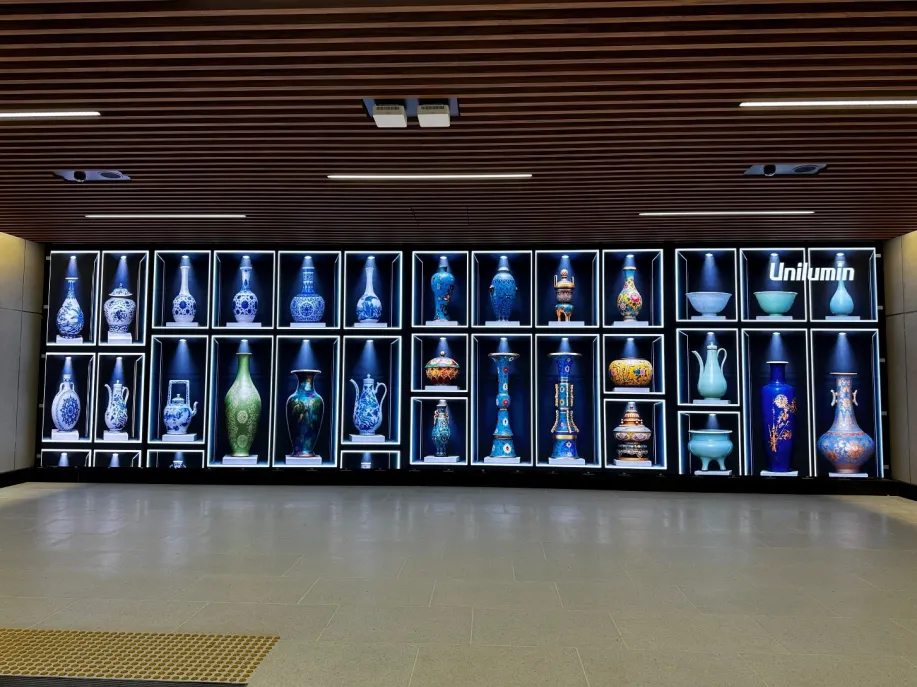
Across Shenzhen, Unilumin displays are moving into the cultural fabric of everyday life — at Shenzhen Natural History Museum, at Longgang Art Center, and at the Shenzhen Museum of Contemporary Art and Urban Planning. In these new landmarks, LED screens are no longer simple information carriers. They are the medium connecting exhibition content, spatial storytelling and audience emotion — making static artefacts legible and grand narratives approachable.
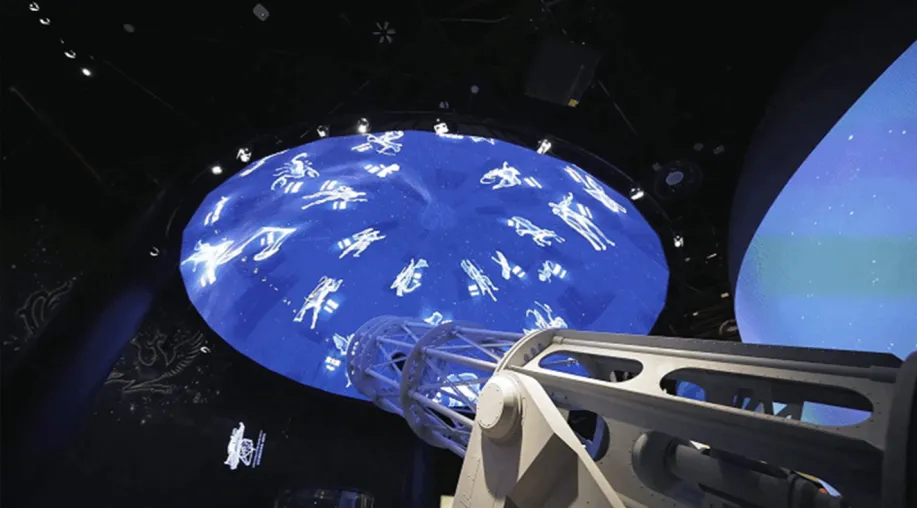
These screens do something deeper than displaying information: they give Shenzhen a way to speak, and give its guests a way to feel. They turn a city of innovation into a city of emotion, turn public spaces into shared memories, and turn every passer-by — local or first-time visitor — into a character in the city’s story.
From Shenzhen to the Asia-Pacific: Shaping Cities Through Light
As APEC brings the Asia-Pacific into the spotlight, Shenzhen’s story is part of a much bigger picture. Across the region, Unilumin’s LED displays are shaping city landmarks and enhancing public spaces, from vibrant commercial districts to transportation hubs. Through innovative display technologies and creative applications, we are bringing new possibilities to how cities communicate, welcome visitors, and engage their communities.
In September, Auckland’s long-awaited City Rail Link opened — New Zealand’s largest-ever transport infrastructure project. The new underground line is reshaping commuting patterns across the city and marking a significant step forward for public transport nationwide. Throughout the new stations, 170 square metres of Unilumin Uslim III MIP 1.9 displays deliver crystal-clear travel information while giving the stations a distinctly modern digital environment.
In Ho Chi Minh City, Viet Nam, Tan Son Nhat Airport added more than 200 square metres of Unilumin displays this year, taking on flight information and wayfinding duties at one of Southeast Asia’s key gateways.
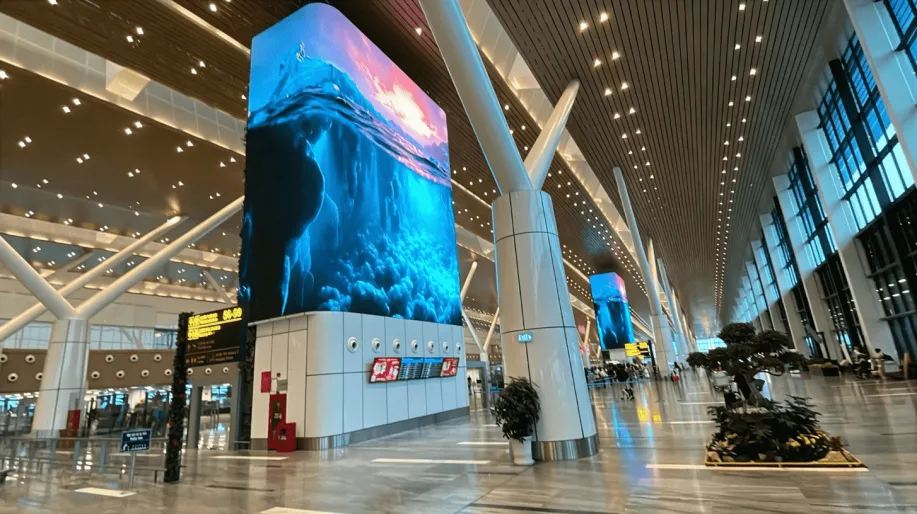
At COEX (Convention and Exhibition Center) in Seoul, an outdoor landmark LED display of over 1,600 sqm transforms the convention complex into the city’s open-air stage, carrying content out of the exhibition halls and onto the street.
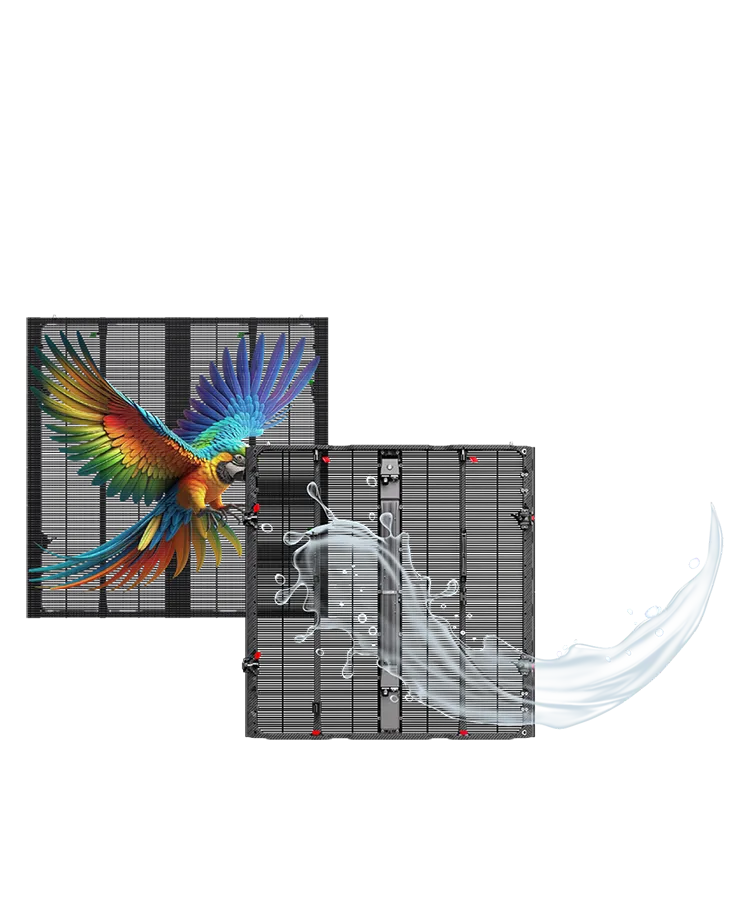
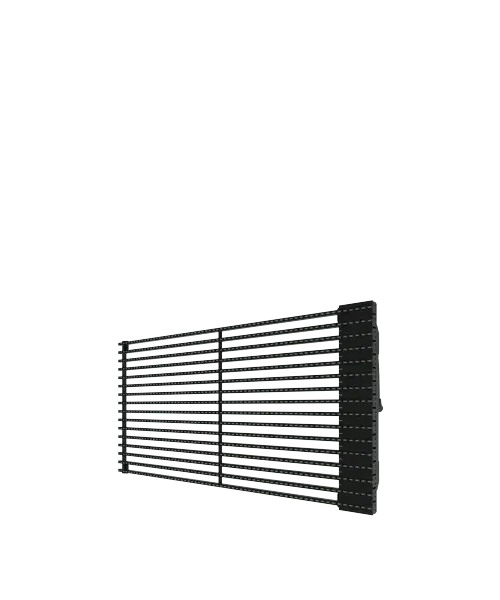
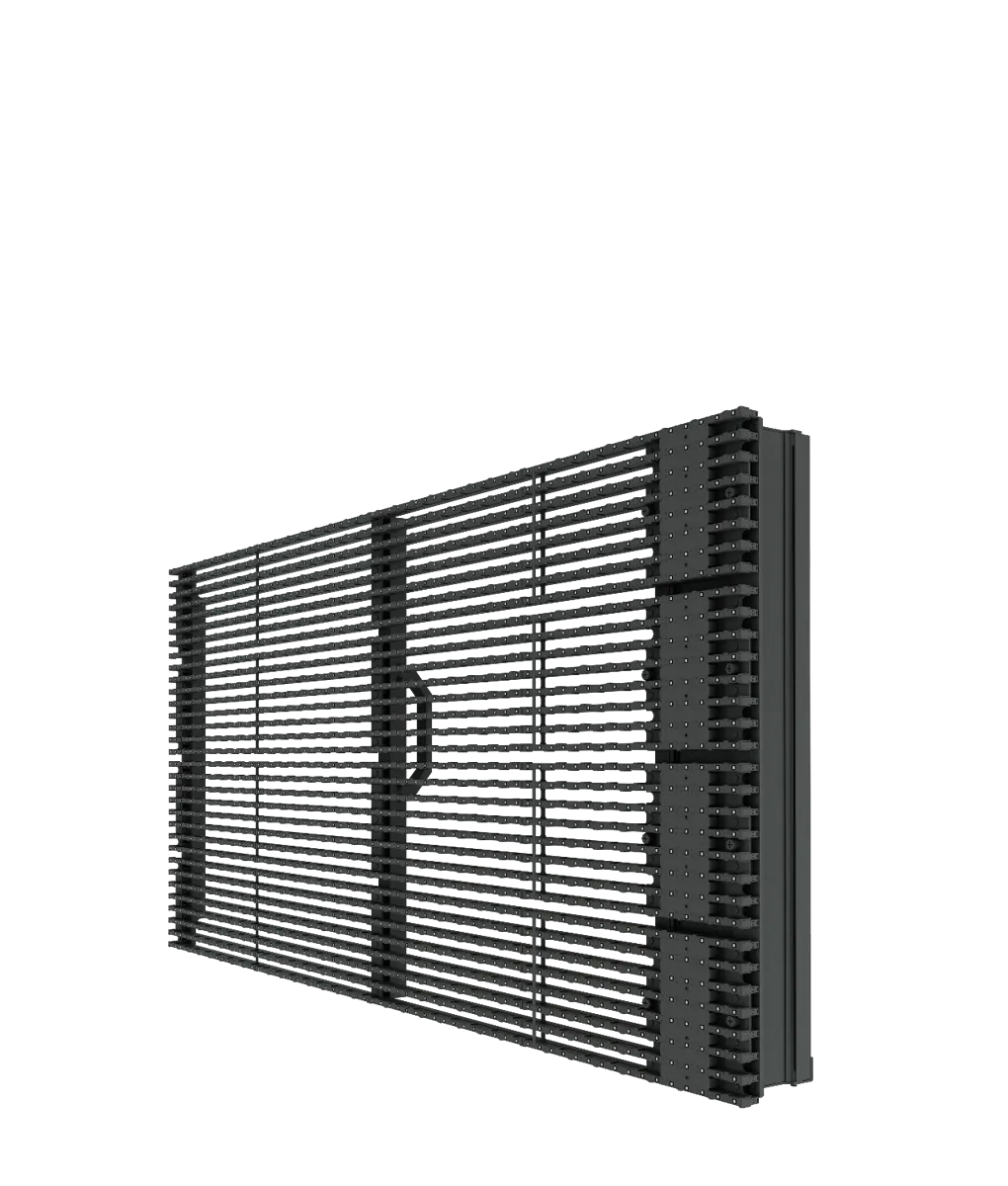
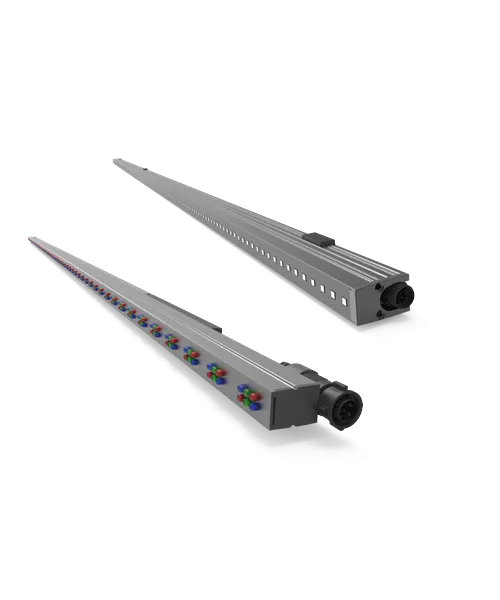
In Bangkok, Central World is among the most internationally recognisable landmarks in Thailand. It is here that Unilumin completed and brought into operation the largest indoor transparent LED screen project in Asia: 188 metres in length and 2,400 square metres in total, the UVF10 series transparent displays wrap key façades of the building, reshaping the city’s visual landscape through extreme transparency and technological refinement. The project stands as a milestone for indoor transparent display across Southeast Asia and Asia as a whole, setting a new benchmark for the digital upgrade of commercial complexes worldwide.
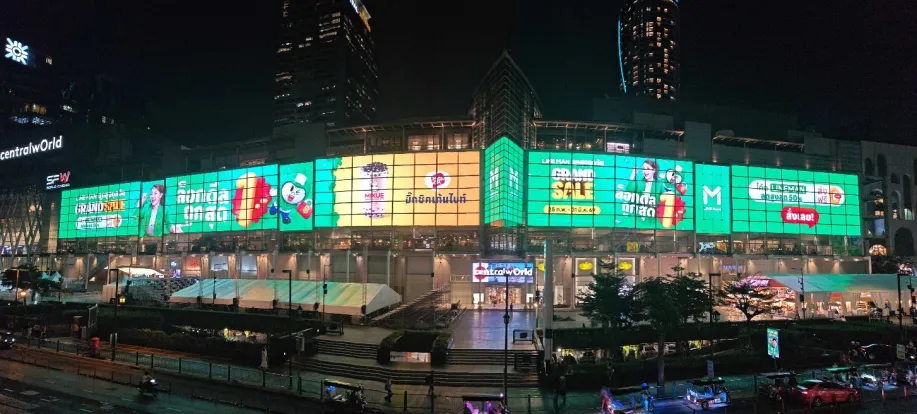
The point of a transparent screen is that you can see through it. It does not conceal architecture; it lets light, sightlines and imagery coexist. It turns a shopping venue into a piece of cityscape to be photographed, shared and remembered, measurably raising both the communication value and the commercial value of the asset itself.
Beyond the projects above, Unilumin’s displays are woven into the very fabric of major cities across the Asia-Pacific — from the streets to public transport: metro stations across Singapore and Changi Airport; MTR Kai Tak and Austin stations in Hong Kong, China; Akihabara Subway Station in Tokyo; and, in Bangkok, the Happitat Bangna retail complex, where a 350 sqm COB display makes it the largest and highest-resolution COB commercial display in Thailand today.
Closing: A More Connected Asia-Pacific
The 2026 theme of APEC is “Building an Asia-Pacific Community to Prosper Together,” with openness, innovation and cooperation as its priorities.
Place the projects Unilumin has delivered side by side, and they map rather neatly onto those three words: Openness is what makes movement frictionless; Innovation is what turns a screen from a passive playback device into a sensing, responding terminal; Cooperation is what allows one technical standard and one engineering language to be used again and again across different economies.
For Unilumin, an LED display stopped being “just a screen” a long time ago. Our displays guide passenger flow in transport hubs, serve as a city’s public information interface, and hold real value in commercial space. Link enough of these nodes together, and the distance between one city and the next shrinks — a more connected Asia-Pacific, built one display at a time.


